
Elisa is a pseudonym used throughout this story
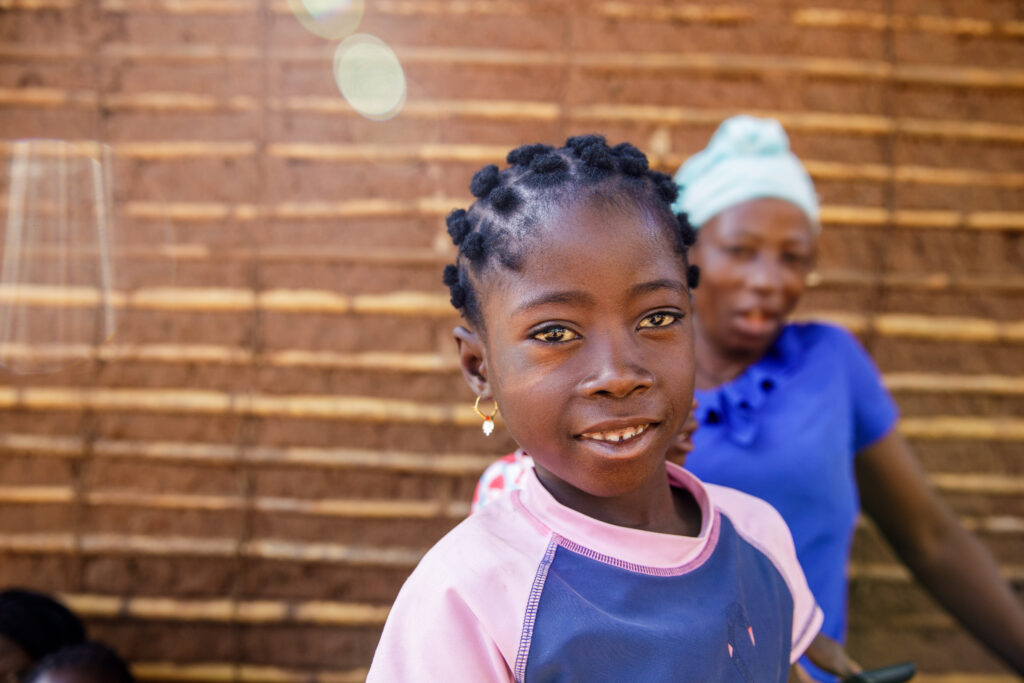
photo © Ricardo Franco
An unexpected blessing amidst fleeing from violence – Elisa’s story
43-year-old Clementina is rebuilding her life with her family, including her five-year-old daughter Elisa, after conflict forced them to flee their home in a remote village in Mozambique’s Cabo Delgado Province. Clementina ran with her children, leaving behind their house, possessions and livelihood after insurgents ransacked their community. “We fled with only the clothes we were wearing” she recalls. “We lost everything. But we thank God we escaped with our lives.”
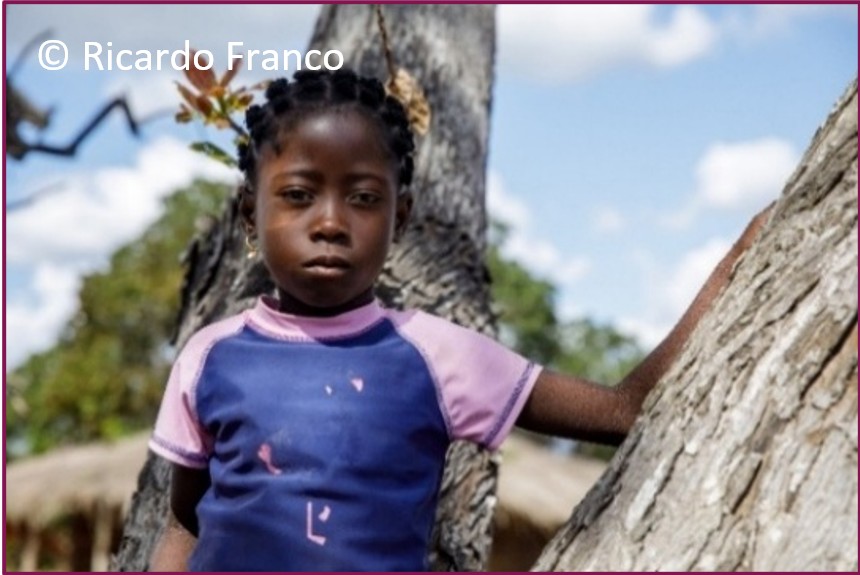
This outcome was only possible because volunteers who have been trained in dealing with leprosy were present in the village in which Clementina, Elisa and their family had settled. Community volunteers are vital to local healthcare systems throughout Mozambique – without leprosy training for these volunteers, leprosy cases are not identified and children like Elisa remain undiagnosed and are at risk of lifelong disability.
Clementina is clear: “Running away from the fighting is how we found out Elisa had leprosy. Now she will be fine.”
With regards to her leprosy journey, Elisa was fortunate – she received a diagnosis early enough to prevent any lasting, permanent damage to her body as a result of leprosy. Thankfully, she was not subjected to a childhood of exclusion from friends at school or stigma from community members due to the curable disease that was attacking her body. Other adults and children not diagnosed as early as Elisa are not so fortunate and can face years, if not lifetimes, of suffering and exclusion.
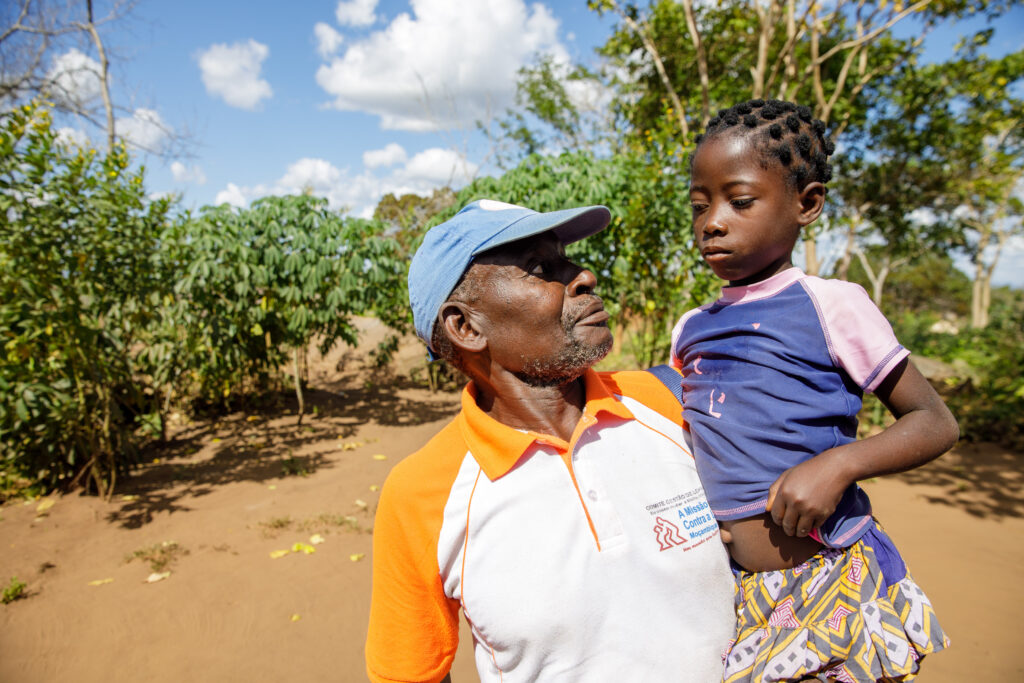
Elisa’s story shows the difference that providing leprosy specific training to Healthcare Workers and Community Volunteers can make. Together, we can stop leprosy in its tracks, dismantle stigma, and create brighter futures for young people like Elisa.